The Future of Workflow Automation in AI
Explore how intelligent systems and structured processes are redefining productivity, collaboration, and the way modern teams work.
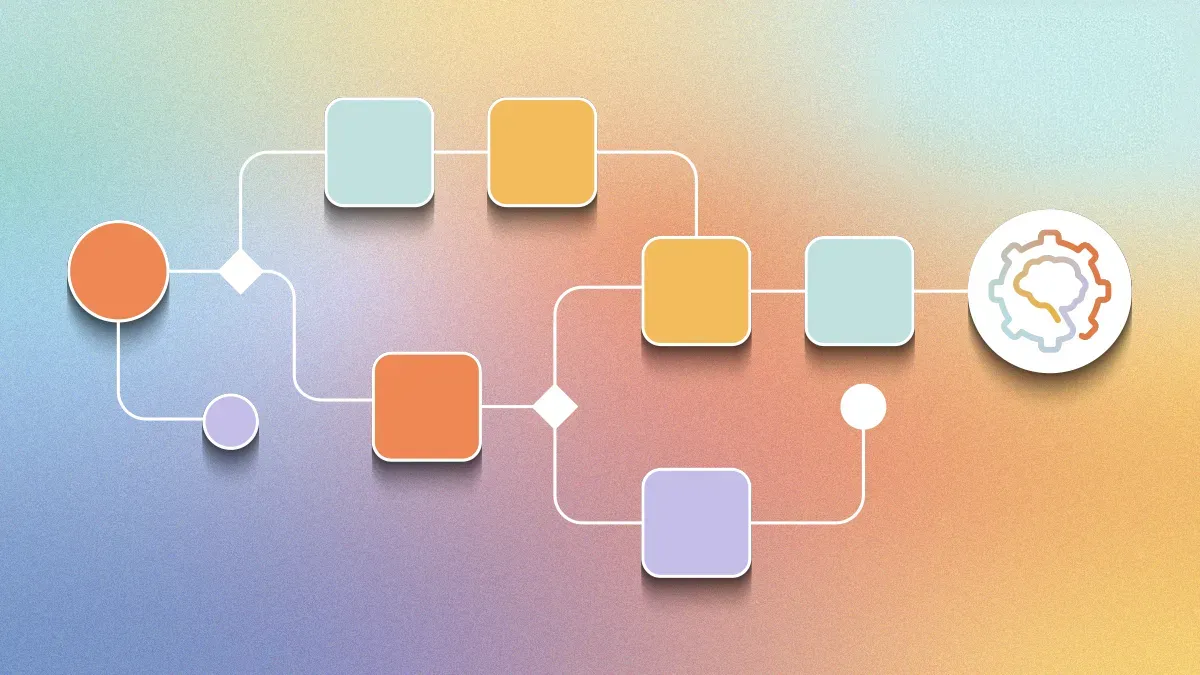
Artificial intelligence is changing workflow automation from a collection of rigid rules into a flexible system that can understand context, recommend next steps, and improve with use. The result is not simply faster work. It is a different way of designing how people and technology collaborate.
From Repetitive Tasks to Intelligent Workflows
Traditional automation performs a predefined action when a specific event occurs. AI-powered automation goes further by interpreting unstructured information, identifying patterns, and selecting an appropriate response.
This makes it useful for work such as:
- Classifying and routing customer requests
- Summarizing documents and conversations
- Detecting unusual activity in operational data
- Drafting content for human review
- Recommending priorities based on urgency and impact
The strongest systems keep people involved where judgment, empathy, or accountability matters.
Why Context Is the Real Breakthrough
Modern teams work across email, documents, project tools, and internal platforms. An intelligent workflow can connect these sources and use their shared context to reduce manual coordination.
For example, a system can recognize that a delayed task affects a launch date, notify the right owner, and prepare an updated status summary. The value comes from understanding the relationship between events rather than automating one isolated click.
Designing Automation People Can Trust
Trustworthy automation needs clear boundaries. Teams should know what the system can do independently, when approval is required, and how to reverse an incorrect action.
Start with visibility
Document the current workflow before automating it. Hidden exceptions and informal decisions often explain why a process works.
Keep meaningful approval points
High-impact decisions should remain reviewable. Automation should bring the right evidence to a person instead of concealing how a result was reached.
Measure outcomes, not activity
Track time saved, error reduction, customer experience, and completion quality. A higher number of automated actions is not automatically a better result.
Skills for an Automated Workplace
As routine execution becomes easier, human strengths become more valuable. Process design, critical thinking, communication, and the ability to evaluate AI output will matter across roles.
Professionals who can translate a business goal into a reliable workflow will be especially effective. They will understand both the technology and the people affected by it.
Conclusion
The future of workflow automation is collaborative. AI will handle more coordination and repetitive analysis, while people provide direction, judgment, and creativity. Organizations that design this partnership deliberately will gain more than efficiency: they will create better ways of working.
Build Better Products with Insights & Inspiration.
Real feedback from students who’ve learned new skills and grown with our courses. Their success stories inspire others to join and thrive.

Building Systems That Support Long-Term Growth
Learn how structured planning, feedback cycles, and measurable goals help teams scale without losing focus or quality.

Skills That Matter in a Competitive Market
Identify the technical and strategic capabilities professionals need to stay relevant, adaptable, and effective in a changing market.

Building Consistent Learning Habits That Provide Growth
Understand how structured routines, reflection cycles, and skill reinforcement lead to meaningful long-term growth.
Explore our all courses and get increase your knowledge
Become part of a thriving community where 5,482 developers come together to share knowledge, collaborate on projects, and grow their skills.
Product Strategy & Business Scaling for Startups
Product Strategy & Business Scaling
UI/UX Design: From Wireframe to Prototype
Product Strategy & Business Scaling for Startups
Product Strategy & Business Scaling
UI/UX Design: From Wireframe to Prototype
Product Strategy & Business Scaling for Startups
Product Strategy & Business Scaling
UI/UX Design: From Wireframe to Prototype
Product Strategy & Business Scaling for Startups
Product Strategy & Business Scaling
UI/UX Design: From Wireframe to Prototype
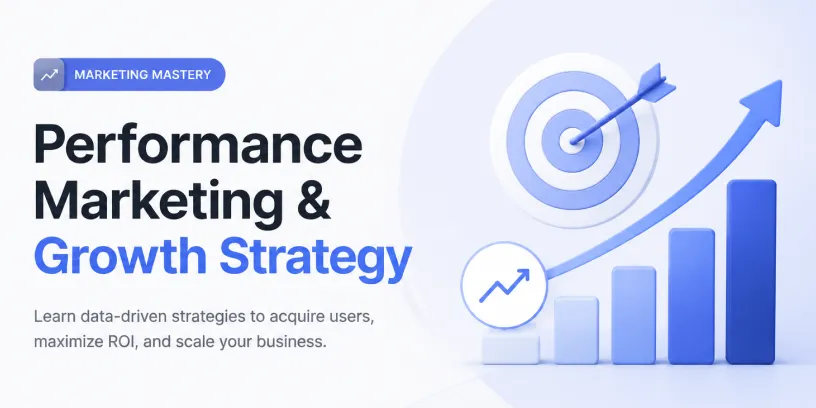
Performance Marketing & Growth Strategy
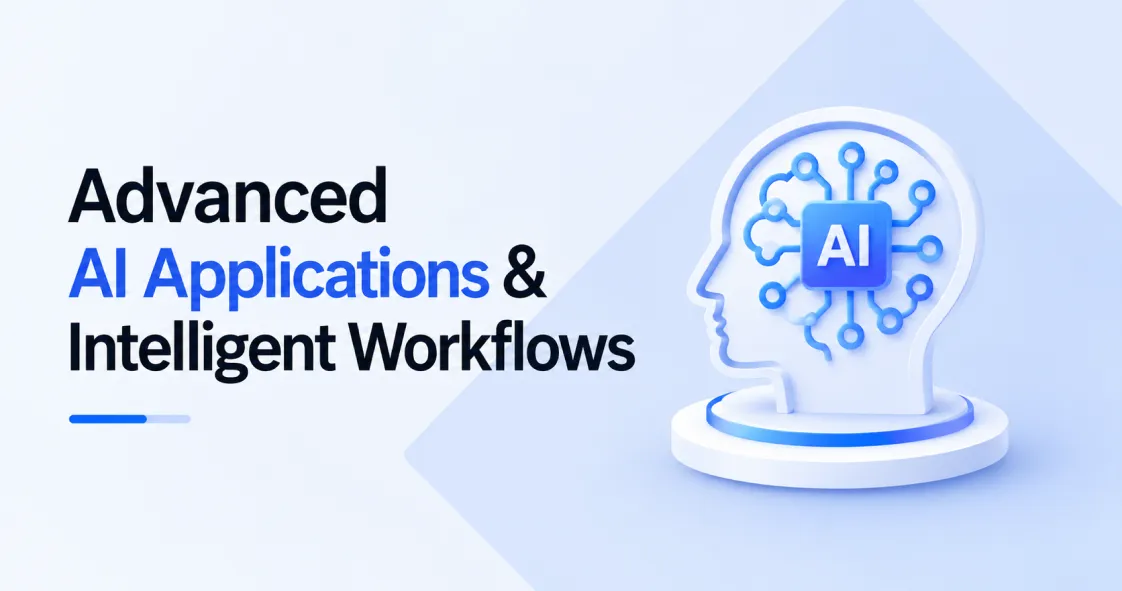
Advanced AI Applications & Intelligent Workflows
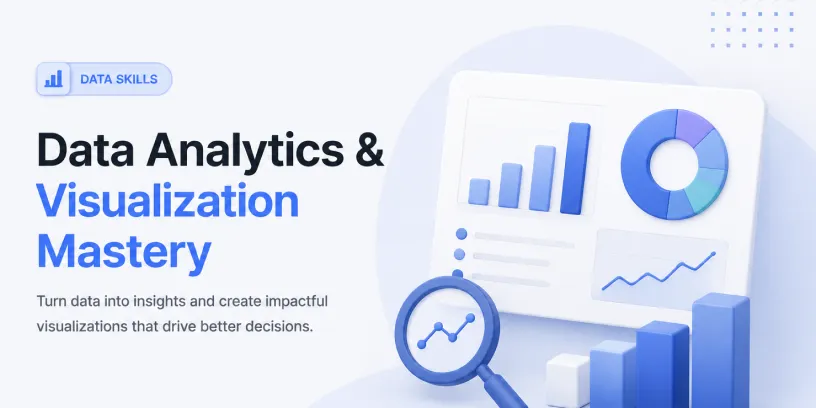
Data Analytics & Visualization Mastery
Performance Marketing & Growth Strategy
Advanced AI Applications & Intelligent Workflows
Data Analytics & Visualization Mastery
Performance Marketing & Growth Strategy
Advanced AI Applications & Intelligent Workflows
Data Analytics & Visualization Mastery
Performance Marketing & Growth Strategy
Advanced AI Applications & Intelligent Workflows