Applying Intelligent Tools in Real Projects
A practical look at how professionals integrate automation and intelligent tools into everyday projects without losing oversight.

Intelligent tools create the most value when they are connected to a specific workflow and a measurable outcome. Adding AI to a project without changing the surrounding process often produces more output but not necessarily better work.
Begin With a Real Bottleneck
Look for tasks that are repetitive, time-consuming, or dependent on searching through large amounts of information. Good starting points include summarization, classification, first drafts, quality checks, and routine reporting.
Define the current cost of the problem before choosing a tool. This creates a baseline for evaluating whether the new workflow actually helps.
Keep the Workflow Human-Centered
Assign the tool a clear role. It might prepare options, identify exceptions, or complete a low-risk action. People should remain responsible for setting goals, evaluating ambiguous results, and approving consequential decisions.
Reliable workflows make three things visible:
- The information given to the tool
- The output it produced
- The person responsible for review
This visibility makes errors easier to detect and the process easier to improve.
Test With a Small Project
Choose a limited use case with representative data. Run the intelligent workflow alongside the existing process and compare speed, accuracy, consistency, and user experience.
Do not judge performance from the best examples alone. Review failures and unusual cases because they reveal where instructions, data, or safeguards need improvement.
Create Practical Quality Controls
Use templates for important inputs, define what a satisfactory output contains, and add checks for sensitive or high-impact work. Automated validation can catch simple problems, while expert review handles questions requiring context.
Maintain a manual fallback so work can continue if a tool becomes unavailable or produces unreliable results.
Measure the Entire Outcome
Time saved is useful, but it is only one measure. Consider correction time, quality, customer impact, and whether the workflow allows people to focus on more valuable work.
Review results regularly. Tools and project needs evolve, so a successful integration is maintained rather than installed once.
Conclusion
Practical AI adoption begins with a clear problem, a bounded role, and measurable standards. Teams that test carefully and preserve human oversight can gain efficiency without sacrificing trust or quality.
Build Better Products with Insights & Inspiration.
Real feedback from students who’ve learned new skills and grown with our courses. Their success stories inspire others to join and thrive.

Building Consistent Learning Habits That Provide Growth
Understand how structured routines, reflection cycles, and skill reinforcement lead to meaningful long-term growth.

The Future of Workflow Automation in AI
Explore how intelligent systems and structured processes are redefining productivity, collaboration, and the way modern teams work.

Designing Products That People Actually Use
Understand the balance between usability, clarity, and function that transforms ideas into products people choose to use.
Explore our all courses and get increase your knowledge
Become part of a thriving community where 5,482 developers come together to share knowledge, collaborate on projects, and grow their skills.
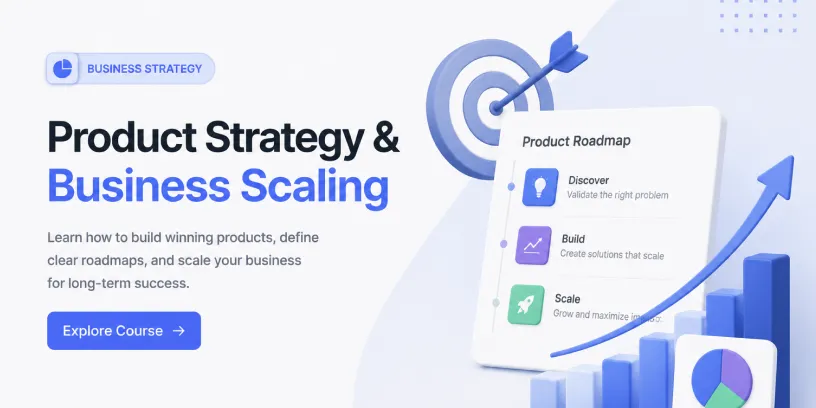
Product Strategy & Business Scaling for Startups
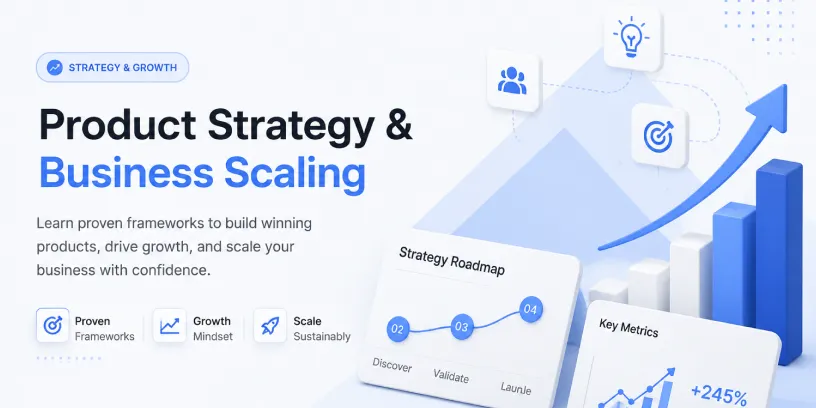
Product Strategy & Business Scaling

UI/UX Design: From Wireframe to Prototype
Product Strategy & Business Scaling for Startups
Product Strategy & Business Scaling
UI/UX Design: From Wireframe to Prototype
Product Strategy & Business Scaling for Startups
Product Strategy & Business Scaling
UI/UX Design: From Wireframe to Prototype
Product Strategy & Business Scaling for Startups
Product Strategy & Business Scaling
UI/UX Design: From Wireframe to Prototype
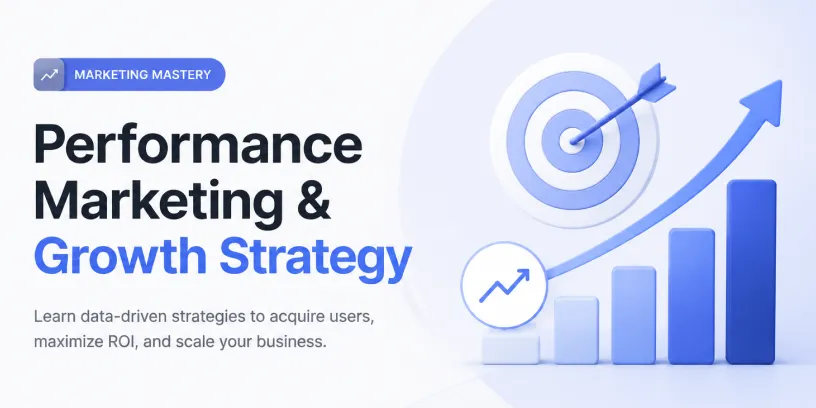
Performance Marketing & Growth Strategy
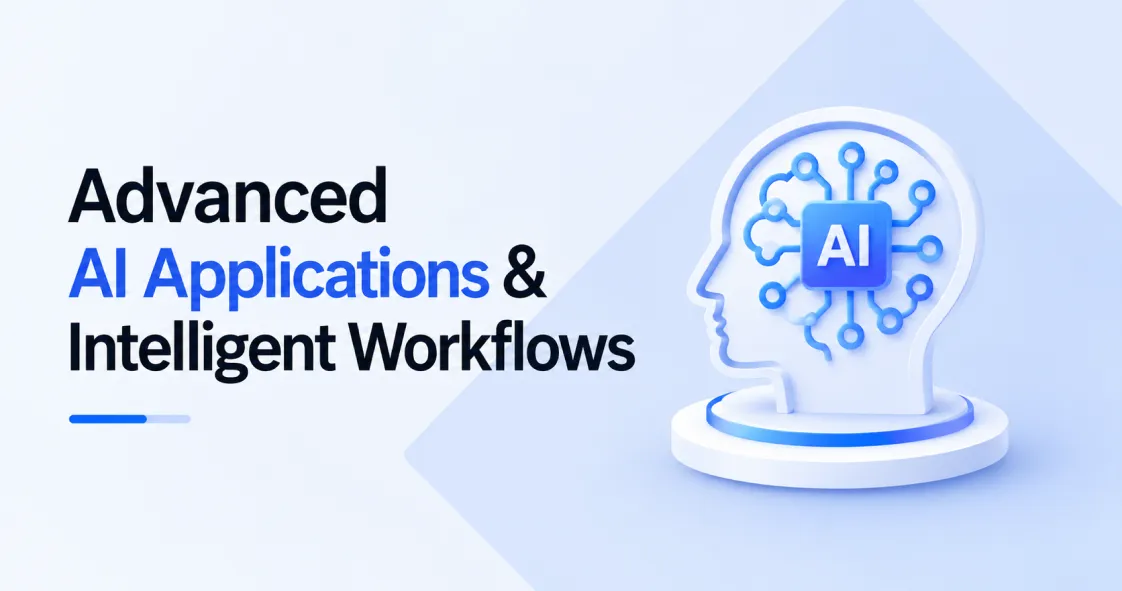
Advanced AI Applications & Intelligent Workflows
Data Analytics & Visualization Mastery
Performance Marketing & Growth Strategy
Advanced AI Applications & Intelligent Workflows
Data Analytics & Visualization Mastery
Performance Marketing & Growth Strategy
Advanced AI Applications & Intelligent Workflows
Data Analytics & Visualization Mastery
Performance Marketing & Growth Strategy
Advanced AI Applications & Intelligent Workflows