Campaign Frameworks That Drive Real Results
Discover proven approaches to audience targeting, positioning, execution, and performance analysis for more effective campaigns.

Effective campaigns are built on a clear chain of reasoning. They connect a specific audience need to a focused promise, deliver that promise through the right channels, and measure whether behavior changed.
Begin With an Audience Problem
Demographics describe an audience, but problems motivate action. Research the situation that causes someone to seek a solution, the alternatives they already use, and the concerns that may prevent them from choosing you.
Interviews, search behavior, support conversations, and sales notes can reveal the language customers naturally use. That language often produces clearer campaign messages than internal terminology.
Create a Focused Position
A campaign cannot communicate every benefit equally. Choose one primary promise that is relevant to the audience and supported by credible evidence.
A simple positioning statement answers:
- Who is this for?
- What important problem does it solve?
- Why is this approach different?
- What proof makes the promise believable?
Consistency matters. The landing page, advertisement, email, and sales conversation should reinforce the same central idea.
Match Channels to Intent
Channel selection should follow audience behavior rather than trends. Search can capture existing demand, educational content can build understanding, and social campaigns can introduce an unfamiliar idea.
Define the role of each channel in the customer journey. This prevents every channel from being judged by the same short-term conversion metric.
Build a Measurement Plan
Choose success measures before launch. Include both immediate response and downstream quality.
Track metrics such as:
- Qualified reach and engagement
- Cost per meaningful action
- Conversion through each journey stage
- Retention or repeat behavior
- Revenue and profit contribution
Use consistent attribution rules and record external factors that may affect performance.
Learn Through Structured Experiments
Test one meaningful variable at a time when possible. Begin with large strategic questions—audience, offer, and message—before optimizing minor creative details.
Document the hypothesis and expected outcome so every test produces a reusable lesson, including tests that do not win.
Conclusion
A reliable campaign framework creates alignment from insight to measurement. By focusing on a real audience problem, communicating one credible promise, and learning systematically, teams can turn marketing activity into durable results.
Build Better Products with Insights & Inspiration.
Real feedback from students who’ve learned new skills and grown with our courses. Their success stories inspire others to join and thrive.

Designing Products That People Actually Use
Understand the balance between usability, clarity, and function that transforms ideas into products people choose to use.
Building Revenue Models That Scale and Grow
Explore sustainable pricing strategies, value positioning, and long-term business planning for dependable revenue growth.

Turning Performance Data Into Smart Decisions
Learn how to define meaningful KPIs, interpret trends, and translate metrics into strategic actions with measurable impact.
Explore our all courses and get increase your knowledge
Become part of a thriving community where 5,482 developers come together to share knowledge, collaborate on projects, and grow their skills.
Product Strategy & Business Scaling for Startups
Product Strategy & Business Scaling
UI/UX Design: From Wireframe to Prototype
Product Strategy & Business Scaling for Startups
Product Strategy & Business Scaling
UI/UX Design: From Wireframe to Prototype
Product Strategy & Business Scaling for Startups
Product Strategy & Business Scaling
UI/UX Design: From Wireframe to Prototype
Product Strategy & Business Scaling for Startups
Product Strategy & Business Scaling
UI/UX Design: From Wireframe to Prototype
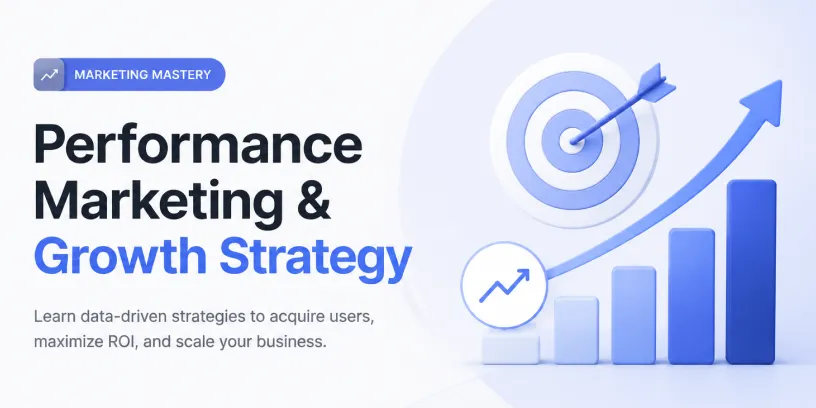
Performance Marketing & Growth Strategy
Advanced AI Applications & Intelligent Workflows
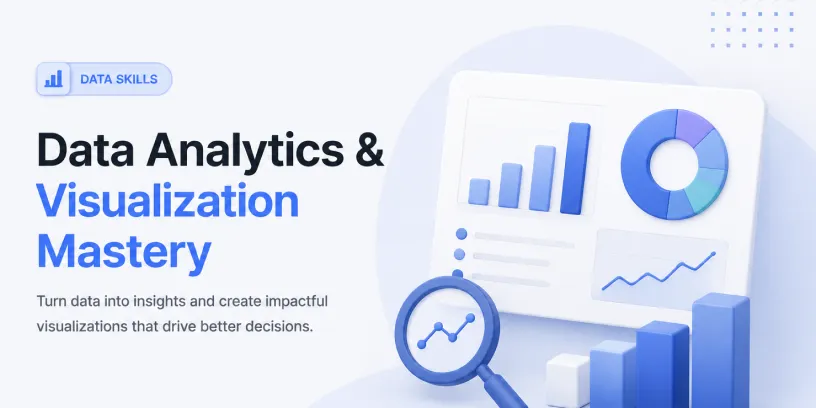
Data Analytics & Visualization Mastery
Performance Marketing & Growth Strategy
Advanced AI Applications & Intelligent Workflows
Data Analytics & Visualization Mastery
Performance Marketing & Growth Strategy
Advanced AI Applications & Intelligent Workflows
Data Analytics & Visualization Mastery
Performance Marketing & Growth Strategy
Advanced AI Applications & Intelligent Workflows